ServicesAcquisition Financing Guidance
Acquisition Financing Guidance in Bee Cave
Few buyers pay cash for a whole business. Most combine their own savings, a bank or SBA loan and often a note the seller carries. We explain how those pieces fit, what lenders require and where deals stall, so your offer is one you can actually fund.
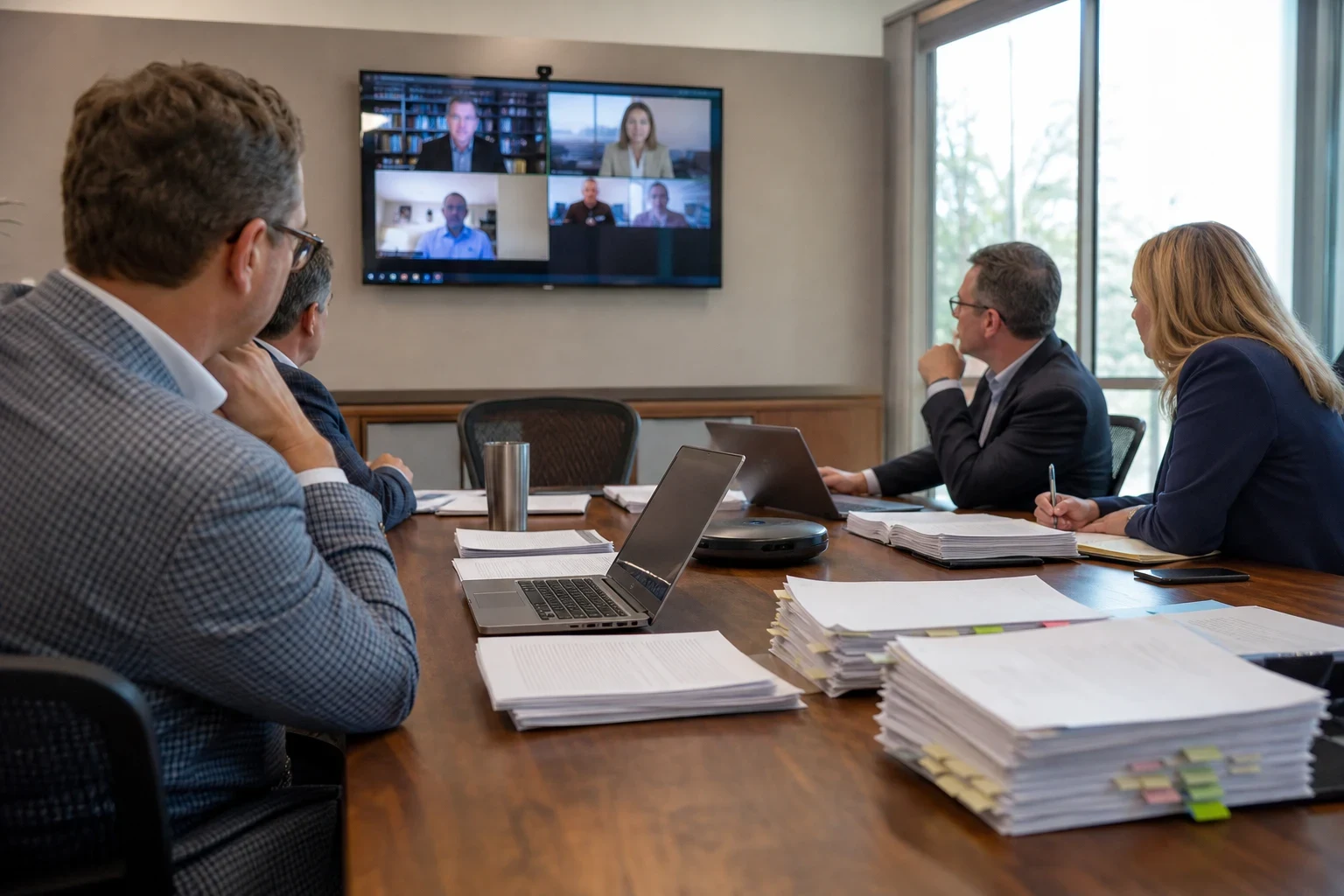
What financing guidance is, and what it is not
We don't lend money, and the loan decision never sits with us. What we do is help you learn the rules lenders follow, gather the documents they ask for and shape a deal that can clear underwriting.
Lenders look at a business purchase differently than other loans. They care most about whether the business's cash flow can cover the debt payments with room to spare. They also look at your experience, your own cash in the deal and what can be pledged as collateral. When a buyer knows these rules early, there are fewer surprises late.
This is most useful before you sign a letter of intent. Once a price and terms are on paper, changing the structure to fit a lender gets harder for everyone.
What we help you work through
Sorting out the funding mix
We walk through the usual pieces: your cash, a conventional bank loan, an SBA-backed loan and a seller note. We show how they stack up and which combinations fit the deal in front of you.
Lender requirements in plain words
SBA programs and banks have specific rules on down payment, personal guarantees, collateral and how a seller note can be paid. We explain what each rule means for you, without the jargon.
Getting the paperwork ready
Lenders usually want the business's tax returns, profit and loss statements, a balance sheet and your personal financial statement and resume. We help you gather what is missing and organize it so the lender sees a clean file.
Checking that the numbers can carry the debt
We look at the seller's cash flow next to the planned loan payments. If the margin is thin, it is better to find out on a phone call than in an underwriter's decline letter.
Structuring the seller's part
Many deals need the seller to carry part of the price. We explain how seller notes are often set up and how some lenders require the seller to wait on payments for a period.
Signs you could use this guidance
You found a business but not the money
You like a listing and the price seems fair, but you are not sure how much cash you need or how much a lender might cover.
A lender said no and did not say why
A decline often comes down to cash flow, collateral or missing documents. We help you see which one it was and whether a different structure could work.
The seller offered to carry a note
A seller note can bridge the gap between your cash and the bank loan. Its rate, length and payment timing affect you and your lender alike, so it pays to see how one fits before you say yes.
The seller owns the building too
When the property is for sale with the business, the lender usually orders an appraisal, and both the loan terms and the cash you need will shift. Our Business and Property Sales page covers that side in more detail.
This is your first acquisition
First-time buyers run into terms like debt service coverage and equity injection. We explain them in plain words, one at a time.
How it works from the first call
- 1
A free consultation by phone
We ask what kind of business you want, how much cash you can put in and what you have done before. No cost and no commitment.
- 2
A look at the deal
If you have a business in mind, we review the asking price, the seller's financials and any terms already on the table. If you do not, we can register you as a buyer so new listings reach you first.
- 3
A funding plan you can explain
We lay out a realistic mix of cash, loan and seller note, and what a lender will likely ask for. You get a clear list of the documents to pull together.
- 4
Support through underwriting
When the lender comes back with questions, we help you answer them and keep the seller in the loop. Closing dates slip when questions sit unanswered, so we keep things moving.
What moves the cost of financing a purchase
Sitting down with us to talk through financing costs you nothing. There are no retainers and no hidden fees on our side. What you pay a lender is set by the deal itself, and a handful of things move that number most.
- Size of the deal
- Bigger loans bring more underwriting, closing costs and often a closer look at collateral. Smaller deals can sometimes be done with less paperwork.
- How much cash you put in
- More of your own money lowers the loan amount and the risk the lender sees. That can help both approval and terms.
- The business's cash flow
- Steady, well-documented earnings make lenders more comfortable. Thin margins or messy books can mean a smaller loan or a bigger seller note.
- Seller note terms
- The rate, length and any waiting period on a seller note change your monthly payments. They also affect how much a lender will lend alongside it.
- Collateral and real estate
- Equipment, inventory and property can all back a loan. Deals with little hard collateral may need a personal guarantee or other support.
Questions buyers ask about financing
Something not covered here? (512) 872-5513
Are you a lender?
No. We do not make loans or approve them. We help you understand lender rules, prepare your file and structure a deal that lenders are more likely to fund. The loan decision is always the lender's.
What share of the price will I have to bring myself?
That comes down to the loan program and the specific business. SBA lenders typically expect part of the price to come from your own funds, and under the right terms a seller note may count toward that amount. On the call we look at your numbers so the answer fits your deal, not a rule of thumb.
Will the seller really finance part of the price?
Many sellers do, because it widens the pool of buyers and shows they believe in the business. Not every seller will agree, and the terms vary. We help you raise it the right way and make sure it fits what your lender allows.
What will a lender want to see from me?
Expect to provide personal tax returns, a personal financial statement, a resume showing related experience and proof of your cash. The lender will also want the business's tax returns and financial statements. We help you get these in order before you apply.
Can you help if I already have a deal under contract?
Yes. We can review the terms and the financials and tell you plainly where a lender may push back. If something needs to change, it is better to know before underwriting than after.
Do you only help buyers in Bee Cave?
No. Buyers from Lakeway, Dripping Springs, West Lake Hills and other nearby towns work with us too. We meet at our office or by phone and video, so distance rarely gets in the way.

Find out how your deal could be funded
One phone call is usually enough to sketch a funding plan and a list of what a lender will want from you. Still searching for the right business? We can sign you up as a buyer, and new listings go to registered buyers first.