ServicesBuy a Business
Buy a Business in Bee Cave
We help buyers find an established business, see what is really behind the numbers and close a clean deal. We check the books, the lease and the licenses the business needs to keep operating once it is yours.
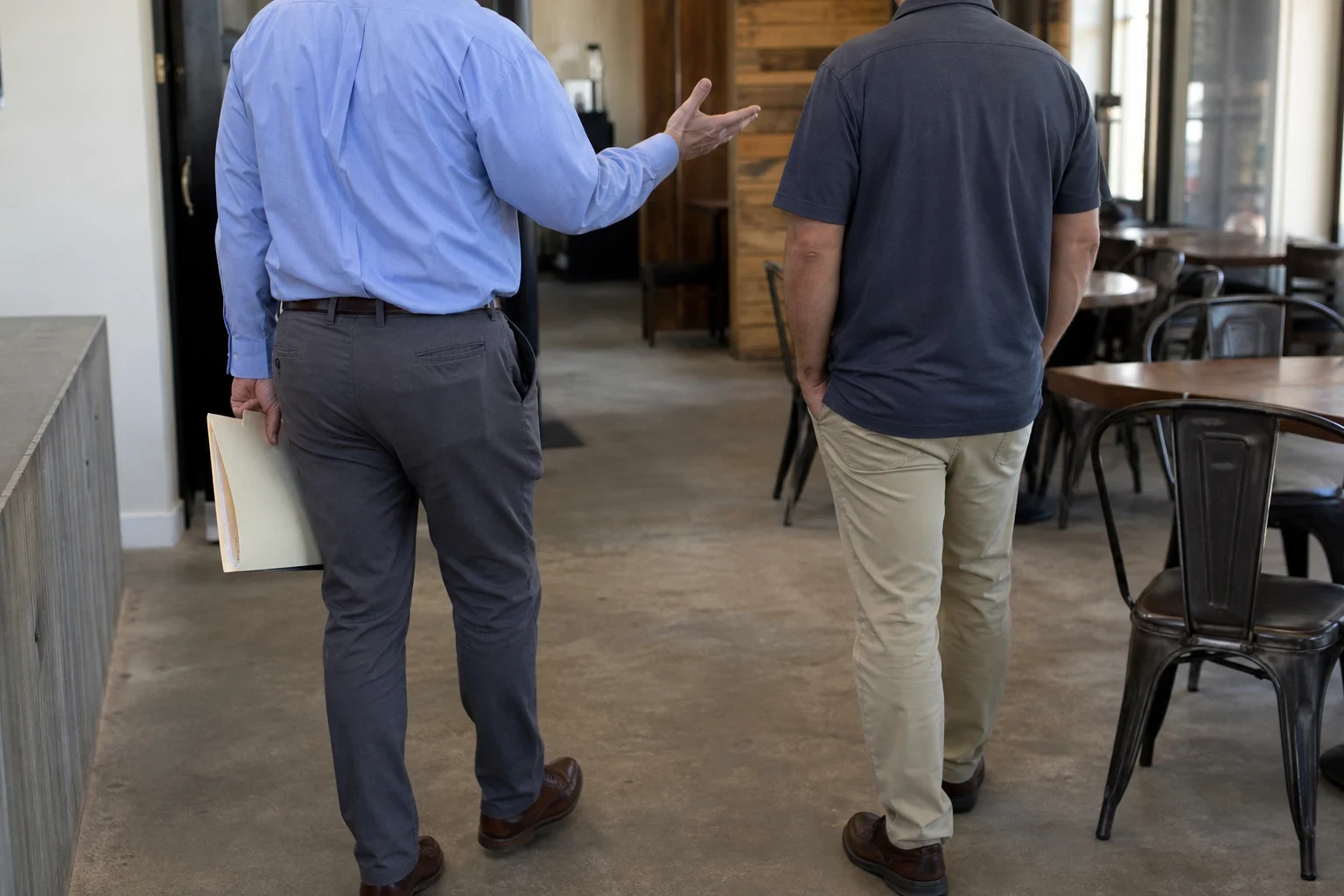
Buying a business you can run on day one
Buying an existing business skips the hardest years of a startup. You get customers, staff, equipment and cash flow. You also inherit whatever the last owner left undone. Our job is to help you see both sides before you sign.
A lot of deals go sideways over paperwork nobody checked. A restaurant's TABC liquor permit does not carry over to a new owner. A shop may be running under a certificate of occupancy issued for a different use. A seller may owe state sales tax that can follow the business. We explain each of these in plain words, so they get handled before closing instead of after.
We work with buyers in Bee Cave, Lakeway, Dripping Springs and the towns around them. Most meetings happen at our office, and plenty of buyers like a phone or video call just as well.
What we do for buyers
- First look at fresh listings
- New listings go to registered buyers first, before they are advertised anywhere. We sort what comes in by your budget, your experience and the kind of work you want to do.
- Confidential deal details
- Sellers keep a sale quiet so staff and customers stay calm. You sign a confidentiality agreement, and then we share the financials, the lease and the rest.
- An honest look at the earnings
- We sit down with you over the tax returns, the monthly books and every adjustment the seller made to profit. When a one-time expense or an owner perk gets added back to make the business look stronger, we flag it and show you the number without it.
- License and approval review
- We list every license and approval the business runs on and whether it moves to you. That covers health department approvals, the TABC liquor permit, sign approvals, the certificate of occupancy and any license tied to a person instead of the company. Some need a fresh application in your name and a passed inspection, and some take weeks, so we start early.
- Your offer, in writing
- We help you set down price, terms, what is included, the seller's training period and the contingencies that protect you.
- Closing coordination
- We keep your lender, your attorney, your CPA and the seller's side working toward the same closing date.
Signs you should talk to a broker before you buy
The numbers look too good
Asking prices built on cash flow nobody verified are common. Have someone match the tax returns to the listing before you get attached.
The seller says the paperwork is fine
Fine for them may not mean fine for you. Many licenses end when ownership changes, and a new owner has to apply and pass inspection.
You need a bank or SBA loan
Lenders want clean financials, a supportable price and a signed lease. Our Acquisition Financing Guidance page covers how to line those up early.
The lease is short
A business with two years left on its lease is worth less if the landlord won't extend or assign it. This sinks more deals than people expect.
It's a franchise
A franchise adds franchisor approval, transfer fees and required training. Our Franchise Resales page explains that side.
What affects the cost of buying a business
You and the seller work out the price of the business. Buyers do not pay us a fee. There are no retainers and no hidden fees, because we only get paid when the seller does. Your own costs depend on the size of the deal and how it is put together.
Size and type of business
Bigger deals need more review, like reviewed statements, equipment appraisals or a deeper look at earnings. More review means more advisor time.
How you finance it
SBA loans bring guarantee fees, appraisals and lender legal costs. Seller financing can lower the cash you need at closing.
Licensing and occupancy
Some licenses are cheap and quick. A new liquor permit or a change to the certificate of occupancy can mean fees, inspections and a wait before you open under your name.
Buying the building too
Adding the real estate brings an appraisal, title work and a property inspection. Our Business and Property Sales page explains how that works.
Your own advisors
Most buyers hire their own attorney and CPA. Their fees track how complex the deal is.
How buying a business works with us
- 1
Buyer call
We talk about your budget, the cash you can put in, your background and what you want to own. Then we sign you up for current listings.
- 2
Review listings
You sign a confidentiality agreement for the ones you like. We send the details and answer your questions about each business.
- 3
Put your offer in writing
Your letter of intent spells out price, terms and contingencies. We draft it together, and due diligence starts once the seller signs.
- 4
Due diligence
You and your advisors check the books, contracts, equipment, lease, licenses and tax status. We ask the seller for a certificate showing no state sales tax is owed, because Texas can hold a buyer responsible for a seller's unpaid tax.
- 5
Closing and handoff
Licenses and permits get filed in your name, the lease is assigned and the funds move. Then the seller's training period begins.
Questions buyers ask us
Do I pay you to look at businesses for sale?
No. Our fee comes from the seller at closing. Signing up as a buyer and reviewing listings costs you nothing. You will still pay your own attorney, CPA and lender costs.
Will the permits and licenses transfer to me?
Some will and many won't. Liquor licenses, food establishment approvals and licenses held by an individual usually need a new application in your name. We build that list early in due diligence so nothing holds up your first day as owner.
How much of my own money do I need?
That comes down to the asking price and how the deal is financed. Lenders expect a down payment from you, and you also need working capital to run things after closing. We go through your numbers on the first call so you only spend time on businesses that fit.
How long does buying a business take?
From a signed letter of intent to closing, a few months is common. Financing approval and license transfers usually set the pace. A well-documented business moves faster.
What if I find problems during due diligence?
That is what due diligence is for. You can renegotiate the price, ask the seller to fix the issue before closing, or walk away if your offer has the right contingencies. We help you decide which makes sense.
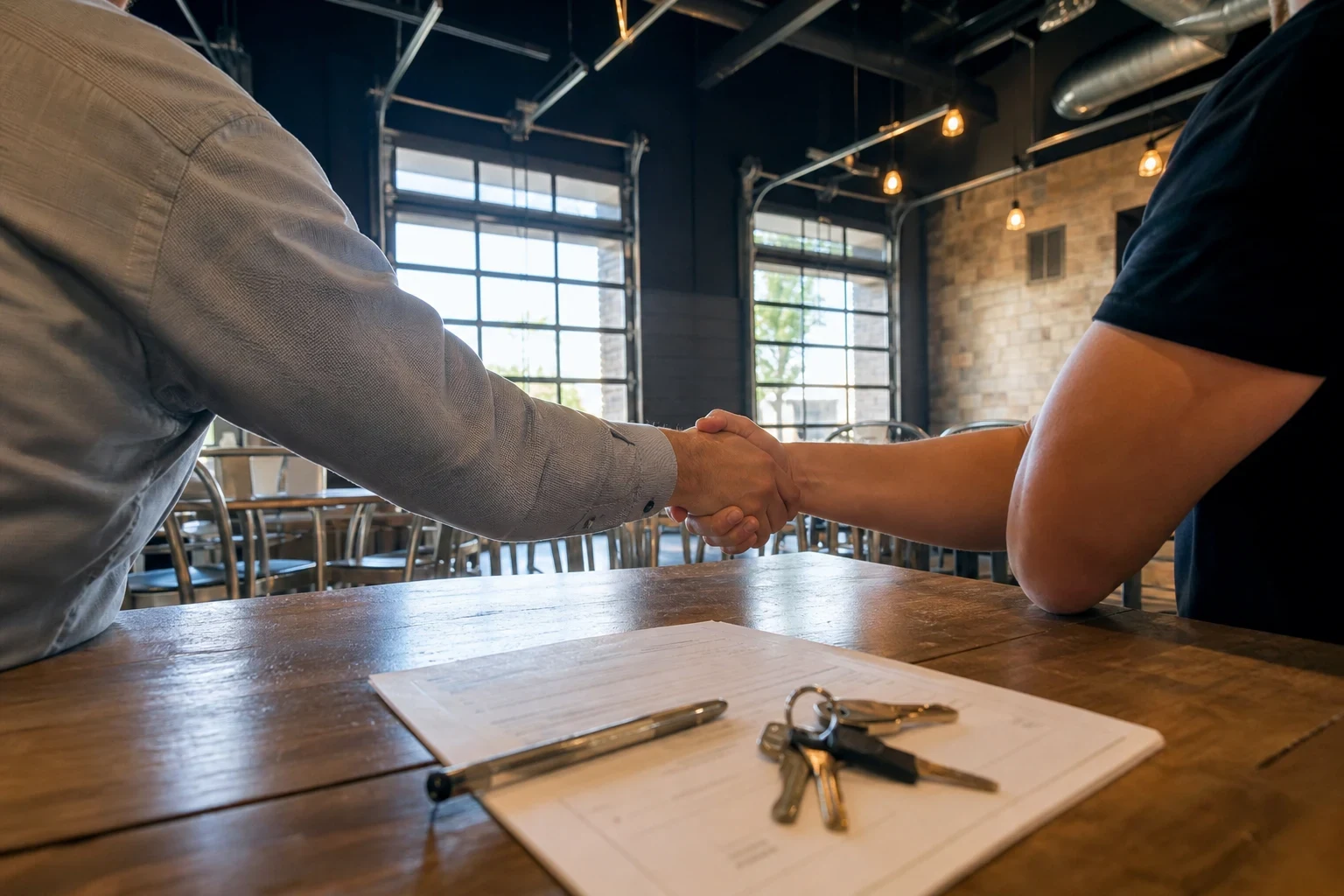
See new listings before they go public
Tell us what kind of business you want to own and how much you can invest. We add you to our buyer list at no cost, and fresh listings reach that list before anyone else sees them.