ServicesBusiness and Property Sales
Business and Property Sales in Bee Cave
When you own both the business and the property it runs on, you have options: sell the two together, hold onto the property and rent it to the buyer, or sell them apart. We put a value on each, review zoning and code records before any buyer does, and lay out the choices in everyday language.
One owner, two assets, a few ways to sell
Plenty of business owners around Bee Cave own the real estate too. That changes the deal. You can sell the business and the property together. You can sell the business and keep the property as a landlord. Or you can sell them to different buyers at different times. Each path has different tax, financing and timing effects, and we walk you through them before anything goes to market.
Property adds paperwork a business-only sale does not have. Buyers and their lenders will look at the deed, the survey, the zoning, the certificate of occupancy and any open permits. We pull those early and read them with you. If the use on the certificate of occupancy does not match what the business actually does, or a remodel was never closed out with the city or county, it is far easier to fix now than in the middle of due diligence.
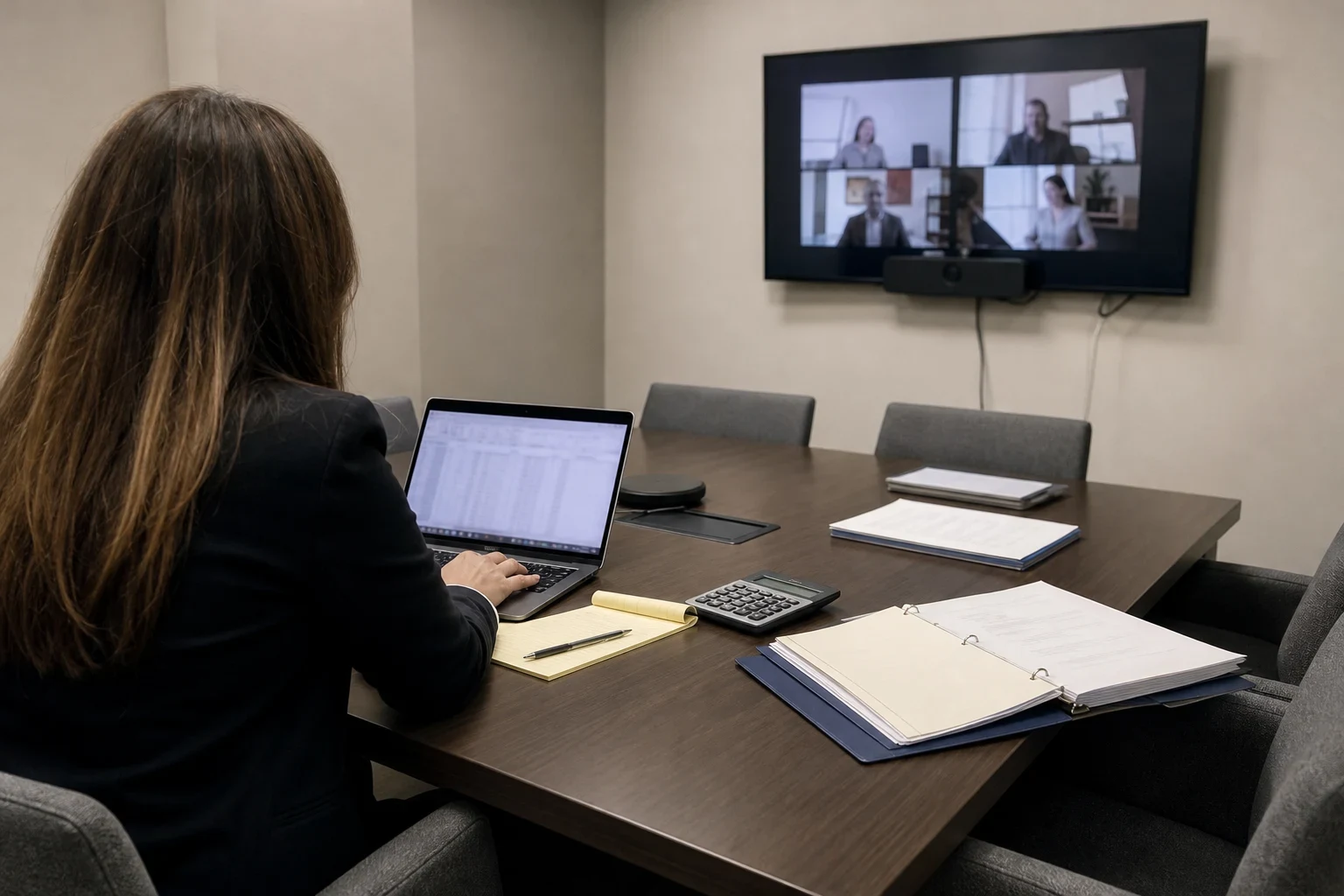
We work from our office or by phone and video, so the sale stays quiet. Your staff, customers and tenants do not hear about it until you decide they should.
What our work covers when real estate is part of the deal
- Two prices: the company and the real estate
- The operating company is priced from its cash flow. The land and building get their own number, based on what the property would bring on its own. You see what each part contributes, and buyers get figures they can follow.
- Zoning and occupancy check
- We look at whether the current use is allowed under the zoning, whether the certificate of occupancy fits the business, and whether any permits are still open. You get a plain list of what is clean and what needs attention.
- Sale or lease structure
- If you want to keep the building, we help set lease terms a buyer and their lender will accept, such as term length and renewal options. A short or loose lease can sink an otherwise good deal.
- Operating licenses that do not transfer
- Health and alcohol permits, along with some trade registrations, belong to the current owner. We flag which ones the buyer must apply for and plan the closing date around that timeline.
- Confidential marketing to qualified buyers
- New listings go to registered buyers first. We share details only after a buyer signs a confidentiality agreement and shows they can fund the deal.
Signs a combined business and property sale fits you
You own the building and want a clean exit
If you do not want to be a landlord after you retire, selling both in one deal can close everything out at once.
Buyers keep asking about the lease
When buyers worry about rent going up or the lease running out, offering the property for sale or a long lease takes that worry off the table.
The property work was never closed out
An addition, a kitchen build-out or a change of use done years ago without final inspection will come up in a lender review. It is a reason to start planning early.
Your business depends on the location
A restaurant, shop or service yard that only works at its current site is worth more to a buyer who can lock in that site.
How a business and property sale moves
- 1
Start with a phone call
We talk about the business, the property and what you want out of the sale. Then we set up your free, confidential valuation.
- 2
Gather the paperwork
You send tax returns and financials for the business, plus the deed, survey, certificate of occupancy, building records and any leases. We read through it all and tell you what a buyer's lender will question.
- 3
Pick the structure and price
We lay out selling both, selling and leasing, or selling separately, with the tradeoffs of each. You choose, and we set the asking price on that basis.
- 4
Market quietly and qualify buyers
Registered buyers see the listing first. We screen for funding and fit before any names or addresses are shared.
- 5
Due diligence and closing
We keep the buyer, lender, title company and attorneys on schedule. Appraisals, inspections and license transfers get tracked so nothing stalls at the end.
What affects your price and timeline
Our fee is paid from the closing proceeds, because we're paid only after the seller is. You sign no retainer and face no hidden fees. When real estate is included, the extra cost and time mostly come from the property and from what the buyer's lender requires.
- Whether the real estate is part of the sale
- Selling the property adds an appraisal, a title review and often a fresh survey. A lease-back means fewer closing steps, but the lease terms need close attention.
- Open code and inspection items
- Unclosed permits, a certificate of occupancy that doesn't match, or work never given a final inspection can cost fees and time to clear. Catching them early stops them from turning into price reductions.
- What the lender asks for
- Most buyers finance through a bank, and lenders often want a commercial appraisal and an environmental report. Both take weeks, so we schedule them ahead.
- Title issues and current loans
- Any lien, easement or existing loan against the property must be cleared or paid off at closing. We point these out while reviewing the paperwork.
Common questions on combined business and real estate sales
Something not covered here? (512) 872-5513
Can I keep the real estate and still sell the company?
Yes. A lot of owners sell the business and rent the building to the new owner, which keeps income coming in after closing. The lease needs enough length and clear terms to satisfy the buyer's lender. We help you set terms that hold up.
What if a past remodel was never inspected or closed out?
Tell us early. We will help you find out what the city or county needs to close it, whether that is a final inspection or new paperwork. Fixing it before listing is almost always cheaper than fixing it under deadline with a buyer waiting.
Will a bank lend on the building and the company in one loan?
In many cases it will. A single loan can cover the operating company and the property, and the real estate gives the lender collateral that can make the buyer easier to approve. Down payment and appraisal rules still apply. Our Acquisition Financing Guidance page explains how buyers usually put that together.
Will my operating licenses go to the buyer?
Some do not. Health and alcohol permits, plus some registrations, must be reissued to the new owner. We list which ones apply to your business and build that time into the closing date.
How do you keep the sale confidential?
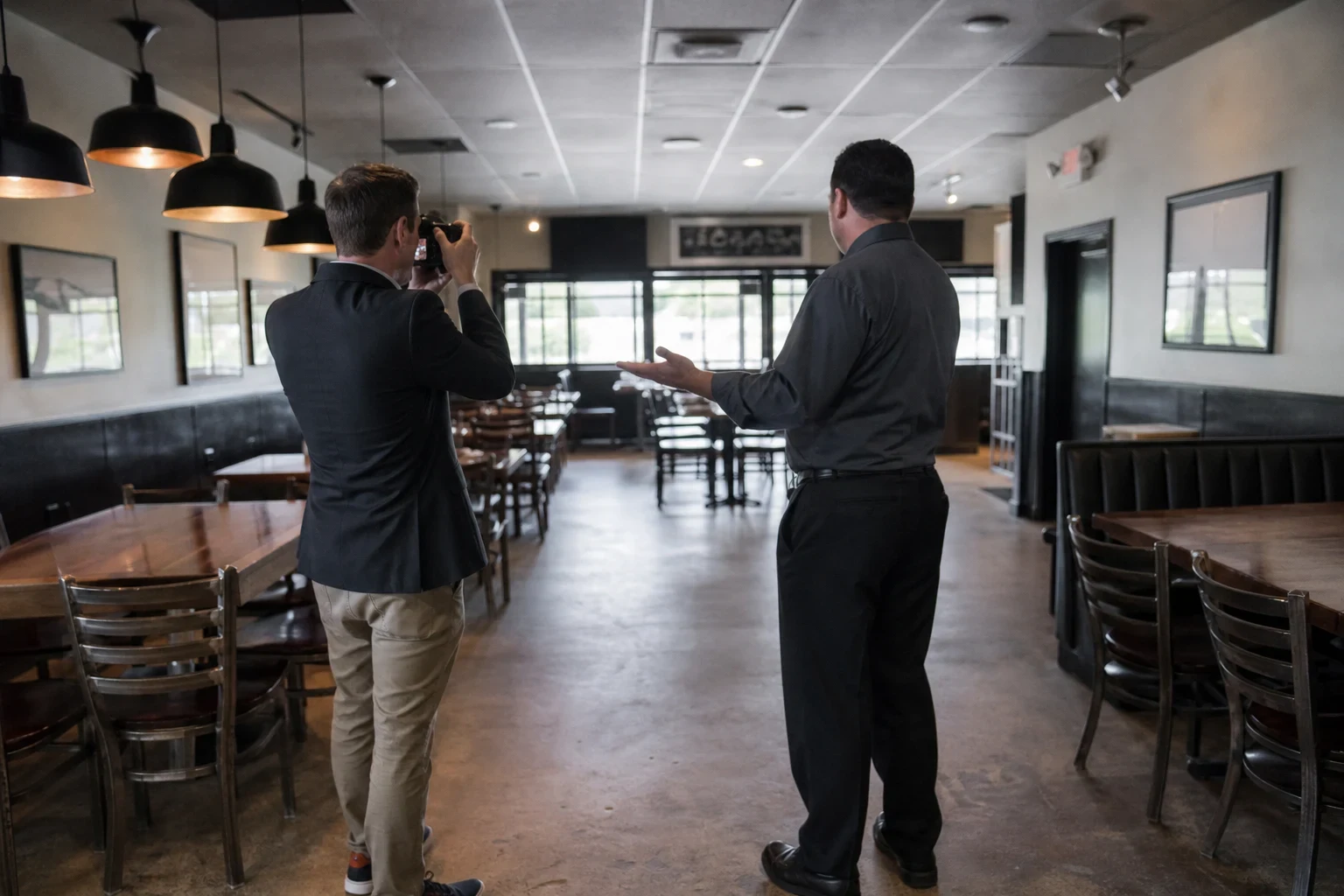
We describe the business without naming it or its address until a buyer signs a confidentiality agreement and shows they can fund the deal. Showings of the property are set up after hours or framed so staff and customers are not tipped off.
Find out what your business and property are worth
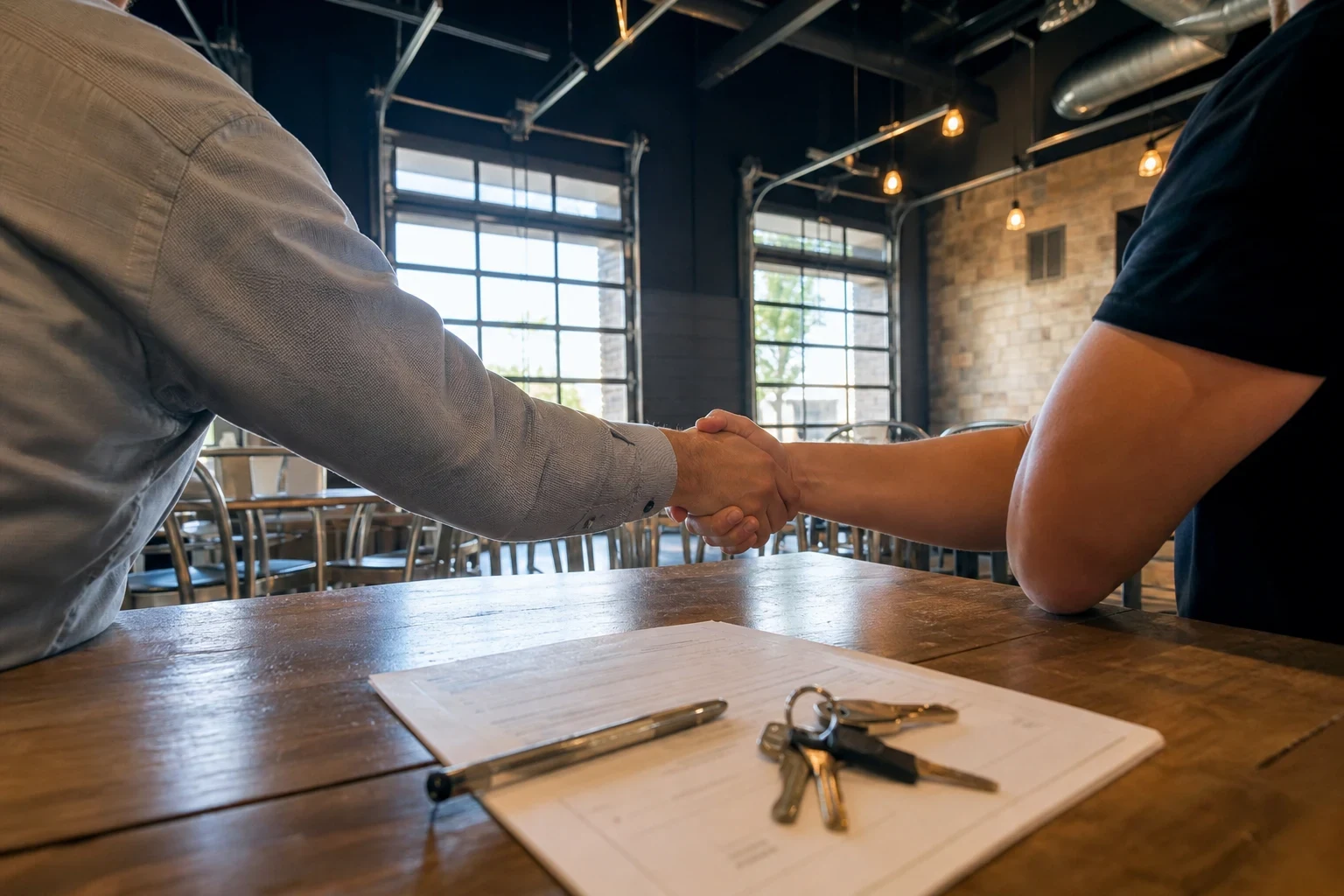
Give us a ring and we will talk through your options for the business and the building. Your valuation is free and stays confidential.